Our Work
Recent Projects
A few driveways, patios and slabs finished around Port Orange.
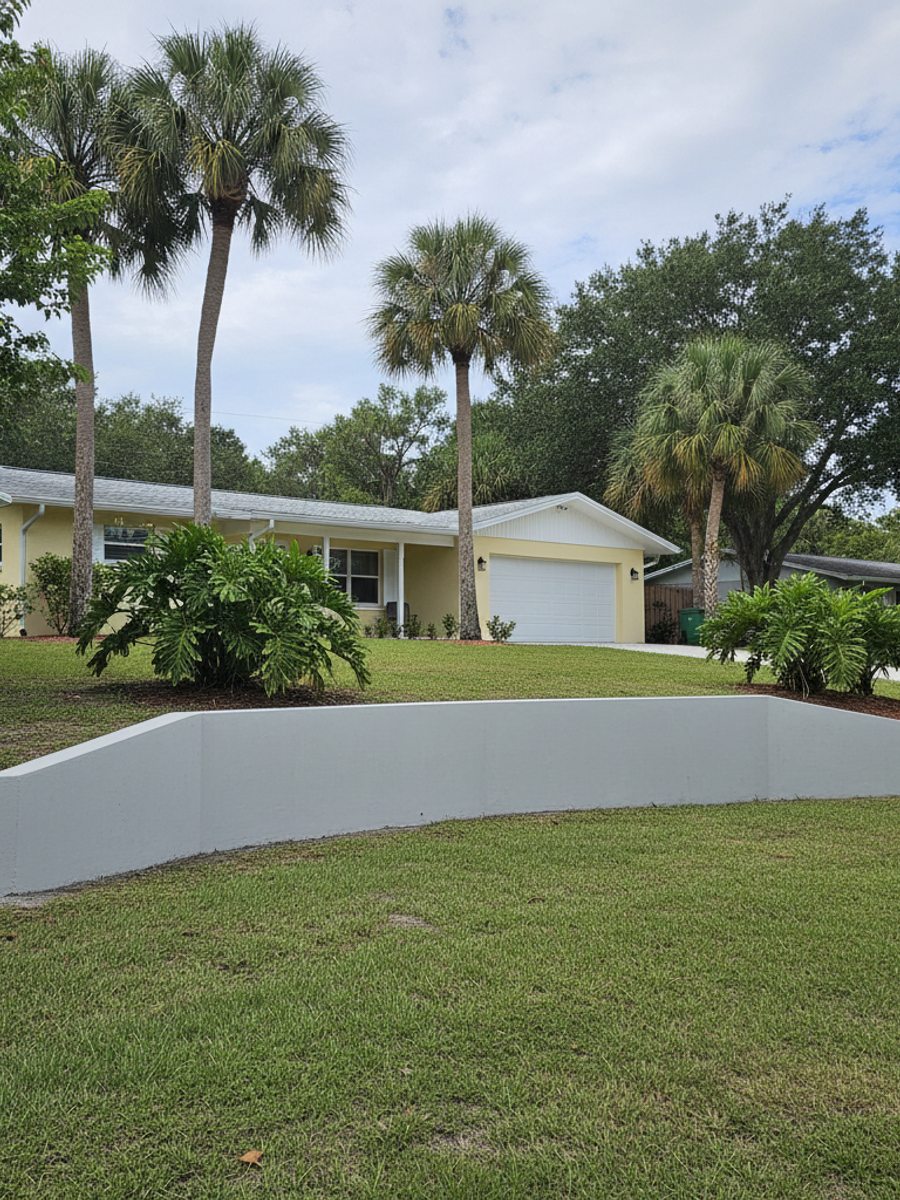
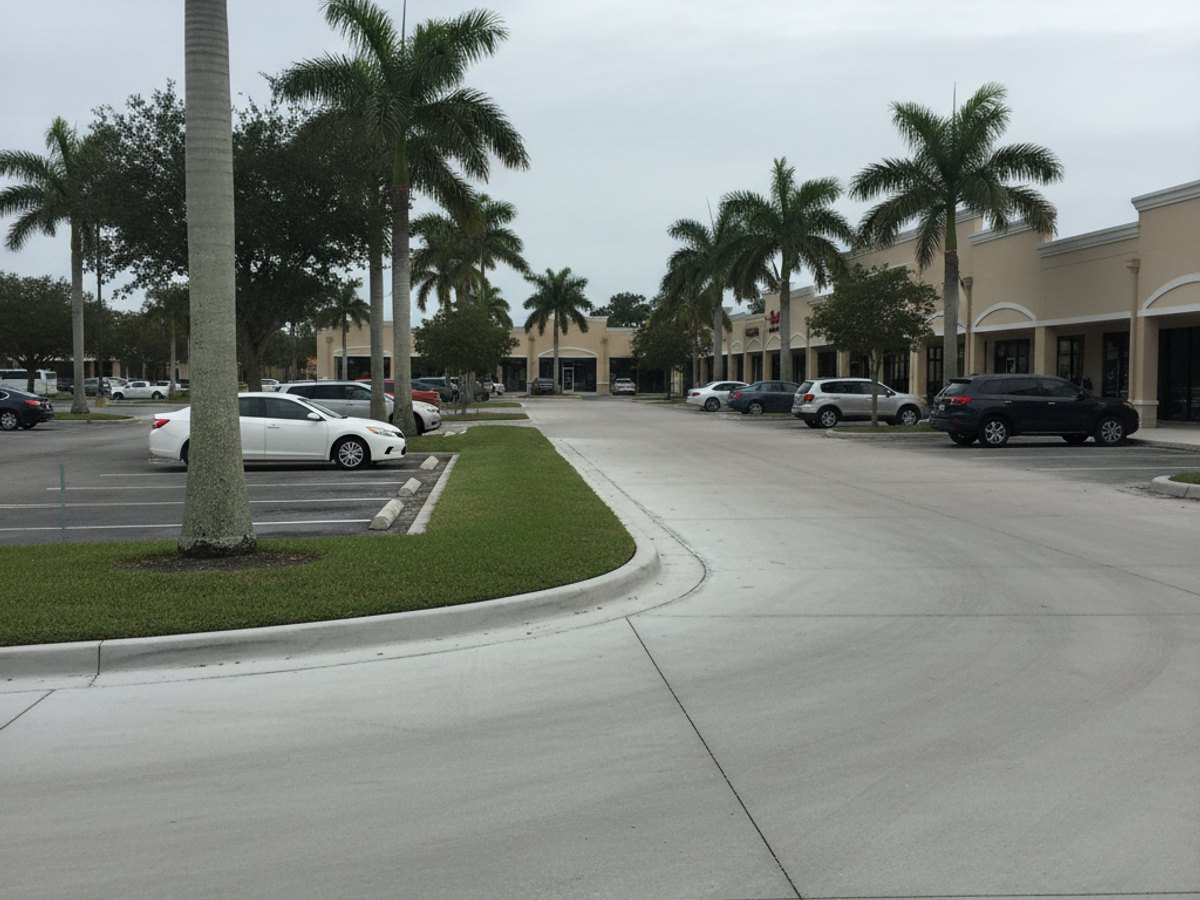
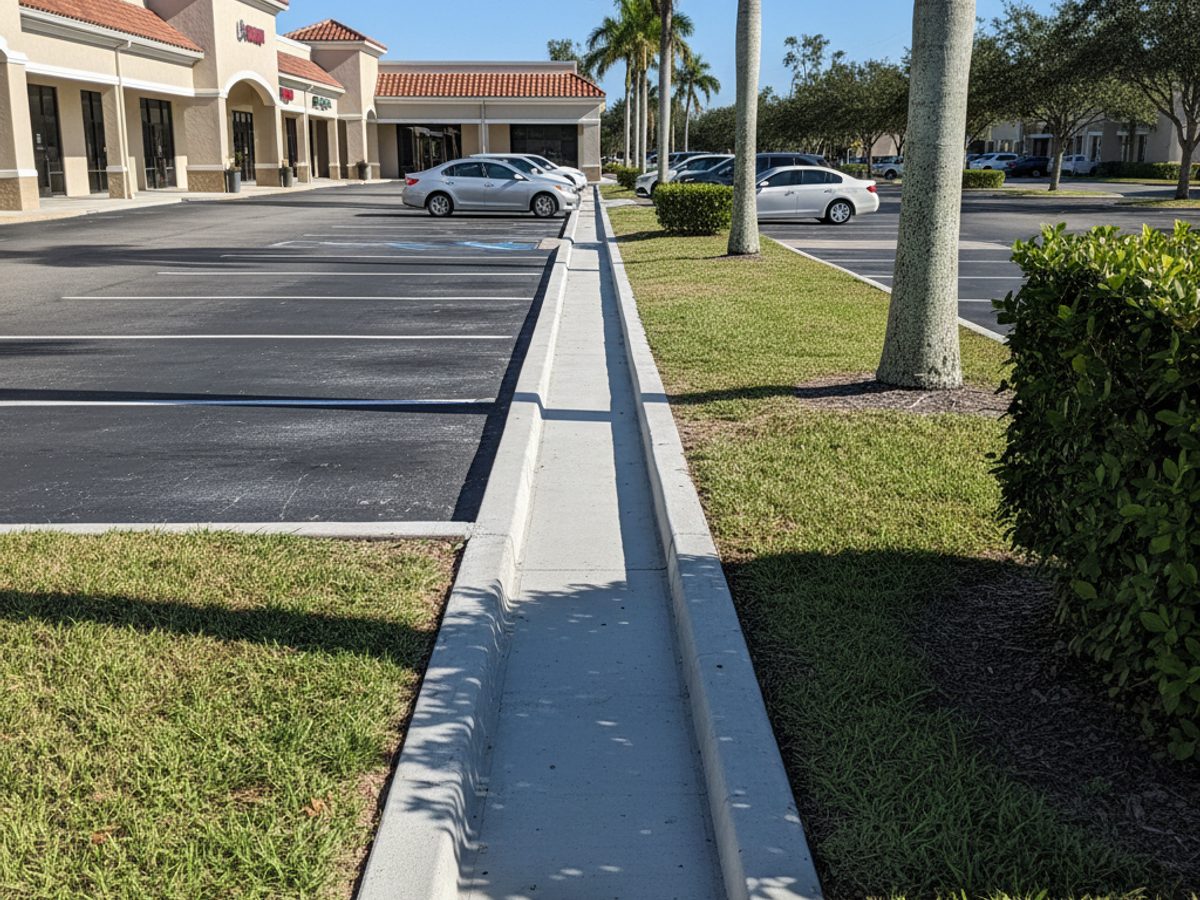
Every job below is one we do ourselves across Port Orange.
We form and pour driveways at the thickness your traffic actually calls for, usually four inches for a car, more if you're parking a boat or RV on it. We slope the pour away from the garage and cut joints every eight to ten feet so shrinkage cracking follows the joint instead of running across the middle of your driveway.
A patio slab handles water differently than a driveway does, since it usually sits closer to the house and drains toward planting beds instead of the street. We grade the subgrade before we form it and pick a broom or stamped finish depending on whether you want traction or looks.
Stamped concrete gives you the look of flagstone, brick or slate without individual pavers to level or weeds coming up between joints. We color and release the surface before the concrete sets past its plastic stage, which is the only window that produces a clean, even texture.
We pour slabs for sheds, garage floors and additions, sizing the thickness and rebar or mesh to whatever's going on top of it. Getting compaction and a vapor barrier right underneath matters more than the pour itself, that's what keeps the slab from settling later.
Not every crack means the whole slab is bad. We route out and fill hairline cracks, patch spalled or pitted surfaces, and mudjack sections that have settled instead of tearing out concrete that's still structurally sound underneath.
Sidewalks take a different kind of wear than a driveway, more foot traffic and edges that chip if the pour isn't finished flat and level. We broom finish for grip and keep the slope gentle enough that water doesn't pool where people walk.
Pool decks sit in the sun most of the day, so a dark, smooth finish gets too hot to walk on barefoot by early afternoon. We use lighter colors and a light broom or knockdown texture that stays cooler and doesn't get slick when it's wet.
Front steps get walked on wet, dry, day and night, so the rise and run have to stay consistent or someone eventually trips on them. We form each step to code height and finish the tread with enough texture to grip in the rain.
If your driveway or patio is structurally sound but the surface has gone gray, pitted or stained, resurfacing puts a fresh topping over it instead of a full tear out. It won't fix a slab that's cracked through or heaving, that still has to come out.
Exposed aggregate washes away the top layer of cement paste so the stone underneath shows through, giving you texture and grip a plain broom finish doesn't. We time the wash carefully, too early and the stones pull loose, too late and they never show.
Four steps, and no surprises in any of them.
You tell us what you want doing, we look at what is actually there, and we ask the awkward questions early.
In writing, itemised, free. If something might add cost later we flag it now rather than at the end.
Same crew throughout. We cover your floors, keep the dust down and tidy up before we leave each day.
You point out anything you are not happy with and we fix it before the invoice, not after.
A few driveways, patios and slabs finished around Port Orange.
Concrete crews travel to these towns for driveways, patios and repair work.
Questions that come up once a concrete project is actually underway.
Describe the problem and we will tell you what it probably is. No obligation.